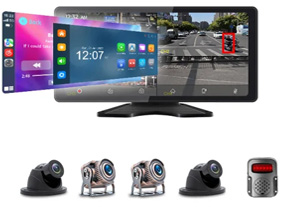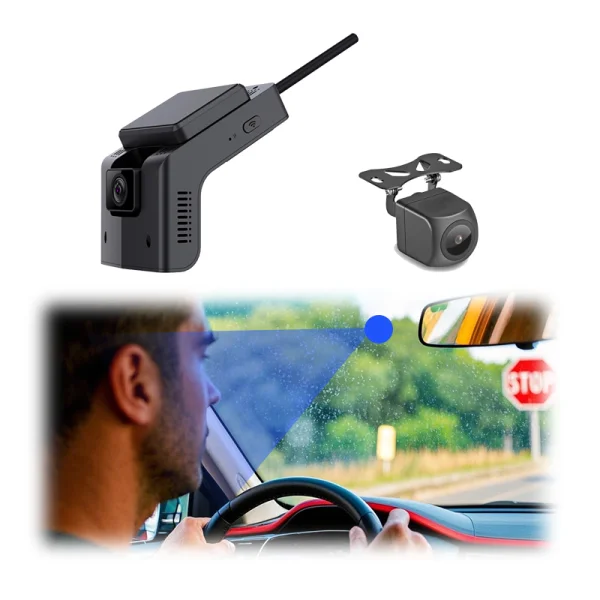
Drowsy driving is a leading cause of traffic accidents worldwide. With the rapid advancement of the Internet of Things (IoT), drowsiness warning systems (DWS) are now being deeply integrated with various in-vehicle systems and smart infrastructure to deliver more holistic and accurate safety protections. This article explores how DWS, through multi‑system integration and IoT enablement, significantly improves both driving safety and overall road safety.
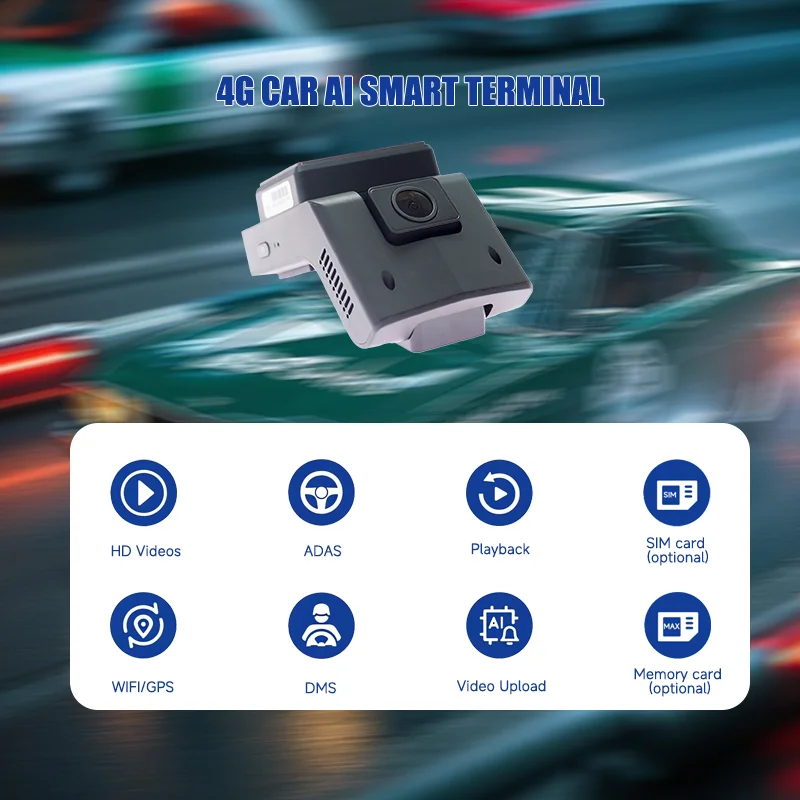
By connecting to the vehicle’s electronic control unit (ECU), the DWS can capture real‑time data on steering angle, throttle/brake frequency, lane departure events, and other driving behaviors. Leveraging multi‑dimensional algorithms, the system more sensitively detects fatigue signs and issues graded alerts (e.g., audible warnings, steering wheel vibrations, or even automatic deceleration), effectively reducing crash risks.
When integrated with onboard or smartphone navigation, the system can analyze trip length, estimated driving time, and live traffic conditions to intelligently recommend the nearest service areas or rest stops. Meanwhile, the navigation adjusts routes to avoid congested or high‑risk sections, helping drivers plan their journeys wisely and minimize fatigue from prolonged driving.
Upon detecting mild drowsiness, the system can automatically play energizing music, audiobooks, or initiate voice interactions to alleviate sleepiness. For severe fatigue, it will forcefully suggest taking a break and pause entertainment content to ensure the driver’s full attention remains on the road.
Through smart wristbands or contactless sensors embedded in the smart cockpit, the system collects physiological indicators such as heart rate, blood pressure, and respiratory rate. Combined with historical data and real‑time trends, it assists in accurately assessing fatigue levels and triggers medical‑grade alerts when abnormalities arise—particularly beneficial for long‑haul truckers and professional fleet drivers.
IoT empowers the warning system to capture facial expressions, eye‑movement patterns, grip strength changes, and vehicle dynamics at millisecond intervals. After rapid analysis on cloud or edge computing platforms, alerts are instantly pushed via in‑vehicle screens, mobile apps, or wearable devices—ensuring drivers receive timely warnings before hazards occur.
Using IoT communication protocols (e.g., MQTT, CoAP), the DWS can exchange data with fleet management platforms, traffic control centers, insurance companies, and roadside infrastructure (such as smart streetlights and RSUs). This collaborative mechanism enables regulatory authorities to grasp regional fatigue‑driving risk distributions at a macro level and formulate more scientific control policies.
For logistics companies, bus operators, and other commercial fleets, IoT allows remote access to each vehicle’s fatigue status and driving trajectory. Managers can view driver health scores in real time on dashboards or mobile terminals, promptly issue rest instructions, or adjust shift schedules—fundamentally eliminating “unsafe driving” or “over‑time operation.”
By integrating artificial intelligence (AI) and big data analytics, the system not only identifies current fatigue states but also predicts the probability of fatigue within the next 30 minutes based on historical driving habits, work‑rest patterns, road segment characteristics, and more. This predictive capability provides a critical time window for preventive interventions, substantially elevating overall road safety.
The deep convergence of drowsiness warning systems and IoT marks a shift from “passive response” to “active prevention.” Through multi‑system integration and intelligent coordination, the system delivers comprehensive functions including real‑time monitoring, data sharing, remote control, and predictive analytics. It effectively reduces fatigue‑related crashes, protects the lives and property of drivers and passengers, and enhances the safety and efficiency of public road travel.